
Life Here · 02
A real farm, at the center of a real community - feeding the people who live around it.
Most families want farm-quality food without becoming full-time farmers, and solo homesteading can collapse under one bad season. Bois D'arc solves that with one Shared Farm - a working co-op run by a dedicated ranch and farm crew that feeds the families who live here. You get the food and the land without the daily farm work becoming your life.
Video coming soon - we'll explain what AgriLiving means here in a short film.
Four food tiers, honestly named
Tier 1 is included with ownership and goes live with Phase One development. Variety and quantity rise and fall with what's actually producing that season - this is a working farm, not a fixed grocery box. Tiers 2 through 4 are coming in future phases, and all of them stay optional. The co-op isn't a monopoly and doesn't try to be your only source of food.
Included for every member · Live with Phase One
Tier 1 - Staples
Dairy, chicken eggs, chicken meat, and pork. A rotating variety and quantity based on what's producing that season, delivered as a core part of your membership. Tier 1 goes live with Phase One development.
Advance order · herd share · Coming soon
Tier 2 - The Herd
Beef and larger livestock through a herd share, reserved ahead of processing. Coming in a future phase.
À la carte · Coming soon
Tier 3 - The Basket
Seasonal produce, specialty items, and extras from the farm, bought as you want them. Coming in a future phase.
Neighbor-made · Coming soon
Tier 4 - Provisions
Value-added goods made by neighbors, from breads and preserves to soaps and honey. Coming in a future phase.
Tier names shown here are the leading option - final naming will be confirmed before publishing.
How it actually works
Who owns the farm, who runs it, and how you get the food.
The Stewardship Council is currently being formed, so this describes the intent and the expected model, not a finished set of documents.
Who owns the farm
The Stewardship Council owns the Shared Farm assets - the real estate, improvements, equipment, and infrastructure - and holds them on behalf of all owners as an appreciating real estate asset. The farm land and improvements are covered inside your lot purchase, not billed separately. It is separately platted with its own road access and laid out to be independently viable, so if the owners ever vote to sell it, it can be sold outright.
Who runs it
A separate Shared Farm food co-op operates the farm under contract to the Stewardship Council. The Council is the customer, the co-op is the hired service provider. Each cycle they work together to set production levels and manage costs. The Council is governed by homeowners, major decisions take a Council vote, and some decisions may go to a vote of all owners.
Membership and dues
The farm program is an amenity of ownership. Membership is required unless the Stewardship Council changes that, and there is no opting out - it works like a subdivision clubhouse, which only exists because every owner participates. Operating costs are funded through dues. Tier 1 carries no separate per-item charge; pricing for Tiers 2 through 4 is TBD and expected to run non-profit or at very low margin for members.
How you get your food
Distribution details are still being worked out. The likely model is on-site pickup at the Shared Farm. Shares not picked up within a grace period are released to other owners so nothing is wasted - a 3 to 5 day grace period is anticipated and will be communicated to owners when finalized. If you do not need your share, you are free to arrange for a neighbor to take it and settle up privately.
What we're designing toward: monthly dues set at a level where, once the Shared Farm reaches target production, the staples a household receives cover the majority of its staple needs at a value that offsets what those staples would cost elsewhere. That is the target we are building to, not a promise of savings, fixed quantities, or a monthly delivery schedule.
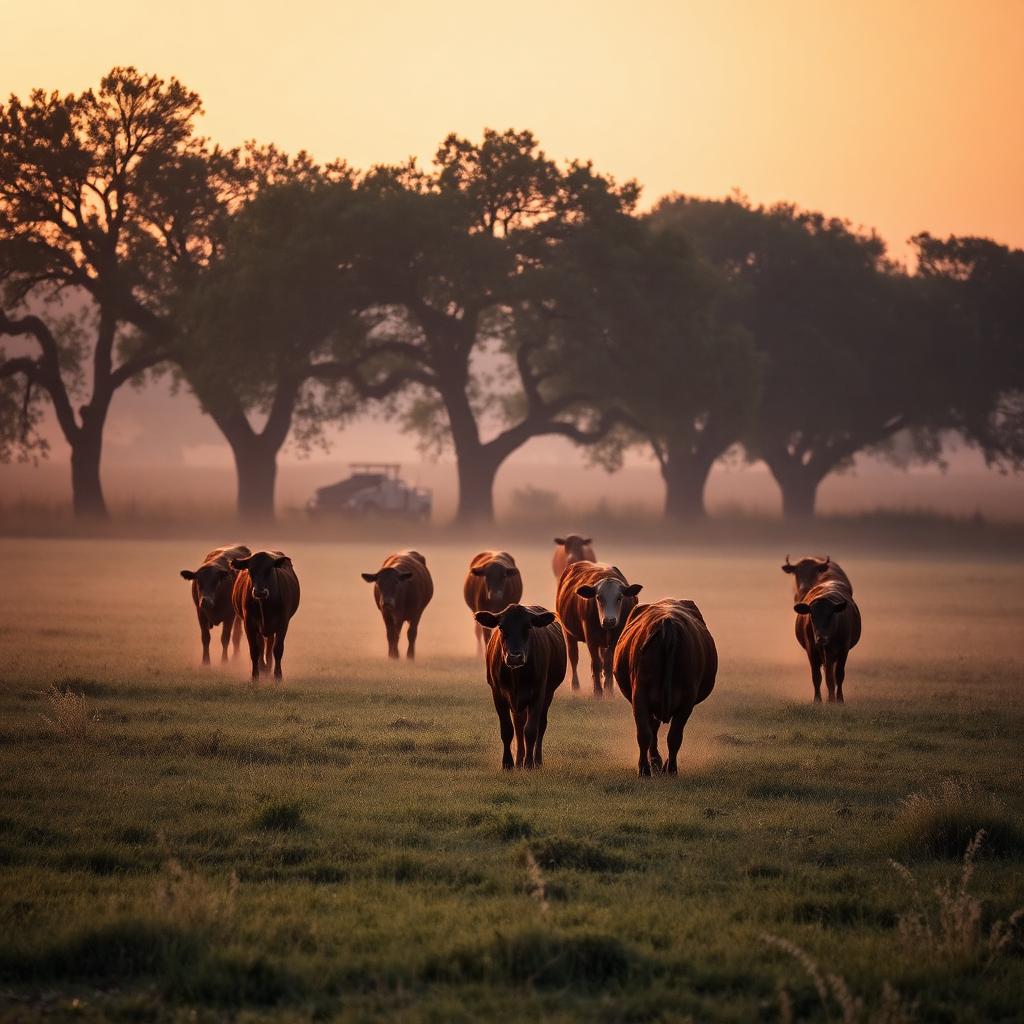
Why AgriLiving now
More families want to know where their food comes from.
The AgriLiving movement is growing because people are looking for food that is healthier, more transparent, and closer to home. A culture of convenience has drifted too far from the source, and families are choosing to reclaim some of that ground.
At Bois D'arc, that means regenerative, sustainable, organic-minded practices are not a marketing label - they are the default way to steward the land. You get better control over what goes on your table, stronger resilience against supply-chain disruptions, and the quiet confidence that comes from knowing the people and the soil that grew your food.
For many, this is not just a lifestyle upgrade. It is a return to the way things ought to be: neighbors, land, and provision working together.
What AgriLiving gives you
- Healthier food with fewer intermediaries
- Direct control over production and sourcing
- Resilience against fragile food systems
- A life philosophy aligned with regenerative, organic stewardship
- Farm work handled by a crew, not a second job on your weekends
The real thing
The imposter version vs. the real thing.
Most new agrihoods dress up a suburban lot with a token garden. Here's what's structurally different at The Ranch.
The imposter agrihood
- Small, dense suburban lots dressed up with a token garden.
- An ornamental "farm" scaled for marketing photos, not for feeding anyone.
- No staffed farm operation. Residents grow their own or go without.
- No real food security. If you didn't grow it, you're back at the grocery store.
The Ranch of Bois D'arc
- 1 to 12 acre Homesteads. Real land, not stamp-collection lots.
- A working Shared Farm at the center, scaled to feed the community.
- A dedicated ranch and farm crew. Not a hobby garden.
- A community structure designed so the farm keeps producing, generation after generation.
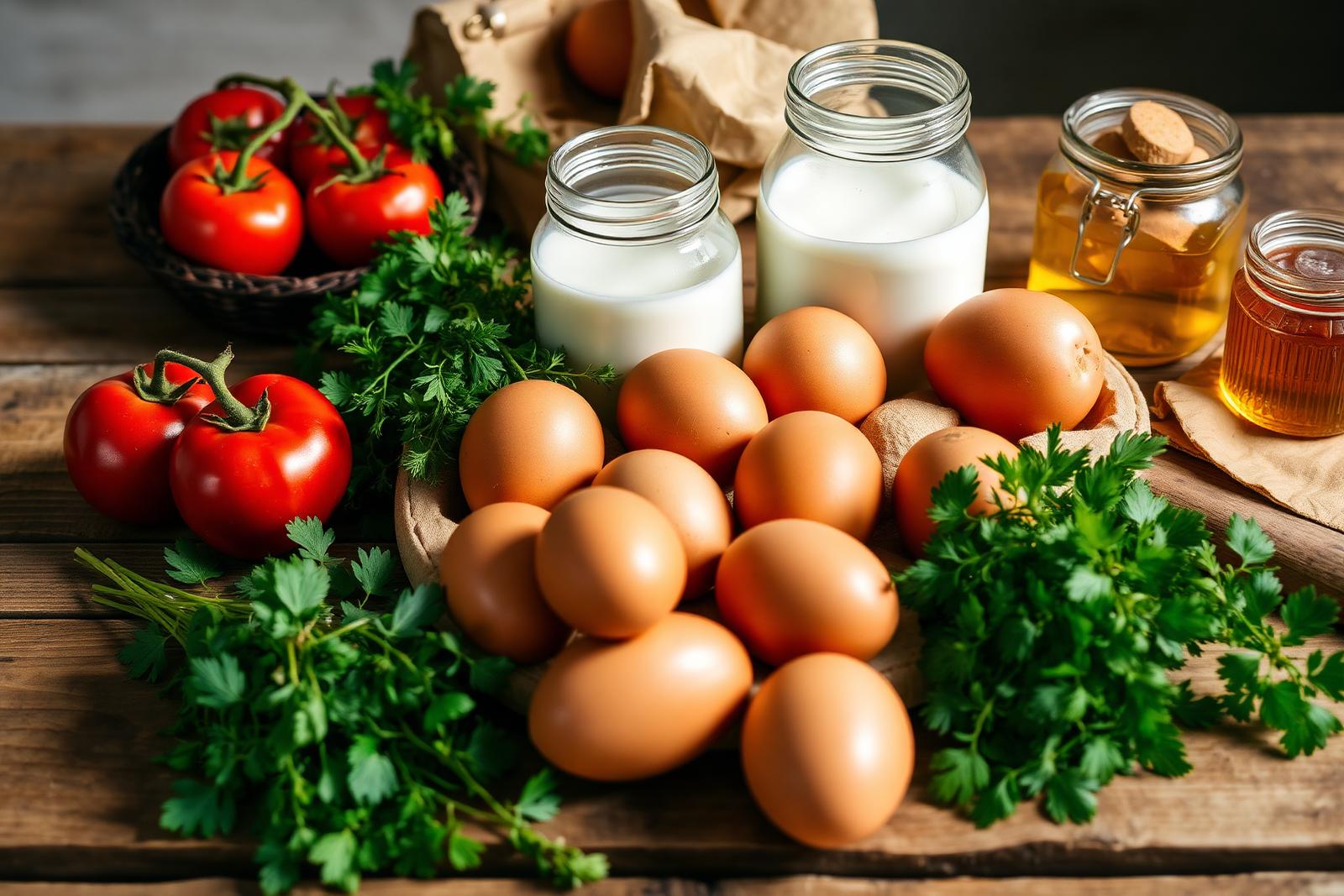
What the co-op produces
Diversified on purpose.
All of this is raised and managed by the ranch and farm crew - not a weekend to-do list for homeowners.
Eat from the farm
Get the food program details - and your place at the table.
Four tiers, one working farm, and a crew that handles the hard parts. See how the program works and how to claim a spot.